


Autonomous Material Transport
Purpose of Implementation
Autonomous material transport is a logistics automation solution that uses AMRs (Autonomous Mobile Robots) to autonomously transport materials and products between processes.
By enabling autonomous route planning without requiring changes to existing equipment or production lines, it ensures flexible and efficient production flow. Repetitive and heavy transport tasks are handled by robots, improving productivity while simultaneously enhancing worker safety.
Expected Benefits

- Optimized Material Flow
- Autonomous mobile robots transport materials along optimal routes, streamlining logistics operations across the facility.

- Reduced Time and Labor Costs
- Minimizes manual transport tasks, significantly reducing labor requirements and transportation time.

- Safe Autonomous Navigation
- LiDAR - and sensor-based collision avoidance ensures safe operation in shared work environments.

- Integrated Production & Logistics Control
- Seamless integration with MES and WMS systems enables real-time scheduling and coordinated material flow.
Key Applications
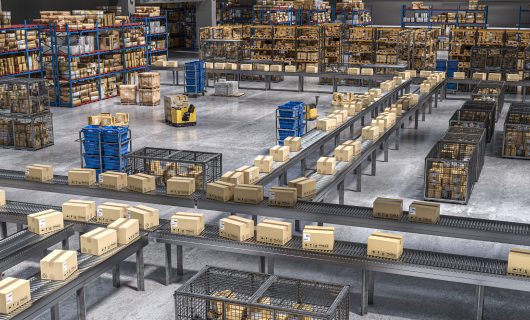
- Manufacturing Plants
- Automated transport of raw materials and semi-finished products to production lines.
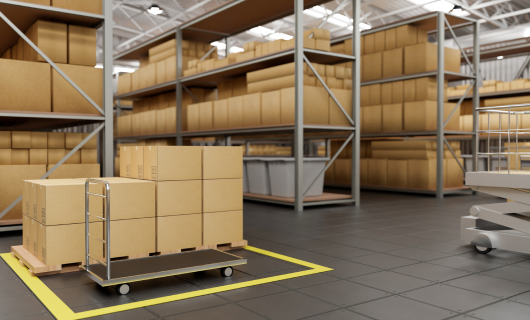
- Logistics Centers & Warehouses
- Automated material transfer between inbound/outbound zones and picking areas.
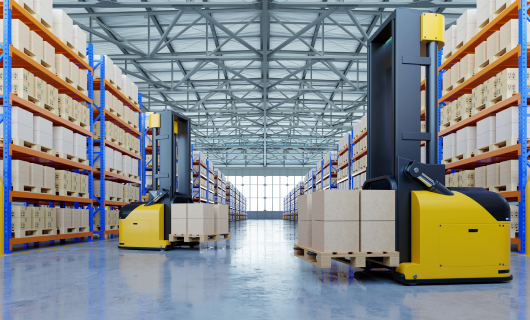
- Electronics & Precision Industries
- Unmanned material transport in cleanroom and controlled environments.
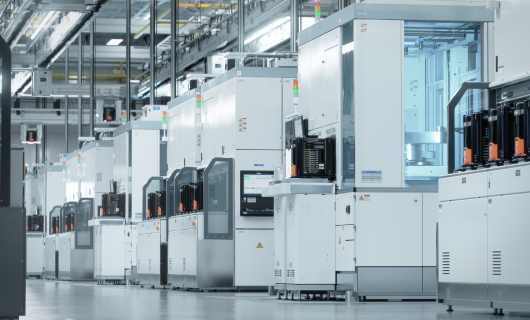
- Automotive Parts Manufacturing
- Automated transport and line supply of heavy or bulky components.
Reference
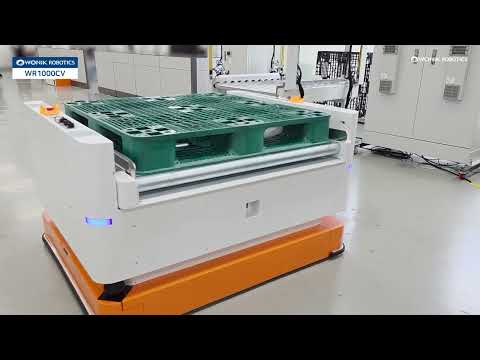

- Heavy Material Transport Automation
- Autonomous navigation is combined with conveyor systems to automate loading, unloading, and transportation of heavy materials.
The entire process—from loading and docking to return—is fully automated, ensuring stable and consistent transport quality through precise positioning and system synchronization.
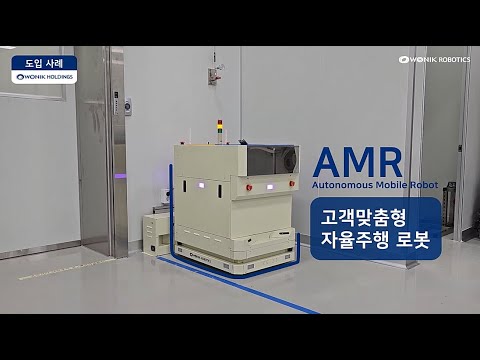
- Customized Autonomous Navigation Solutions
- Autonomous navigation functions optimized for on-site layouts and route conditions enable seamless integration with automatic doors and facility infrastructure.
Robots autonomously pass through doors and reach designated destinations without human intervention, improving overall operational efficiency.